The Psychology of Friction
Human decision-making degrades under stress and fatigue. At 7:00 PM, after a demanding workday and a strenuous training session, relying on willpower to cook a nutritionally balanced meal from scratch is a fragile strategy. The convenience of ultra-processed, hyper-palatable takeout becomes overwhelmingly attractive. Meal preparation eliminates this friction. By outsourcing the decision-making and labor to a designated window of high energy (such as a Sunday afternoon), you automate nutritional adherence during the week's most vulnerable moments.
Methodologies of Preparation
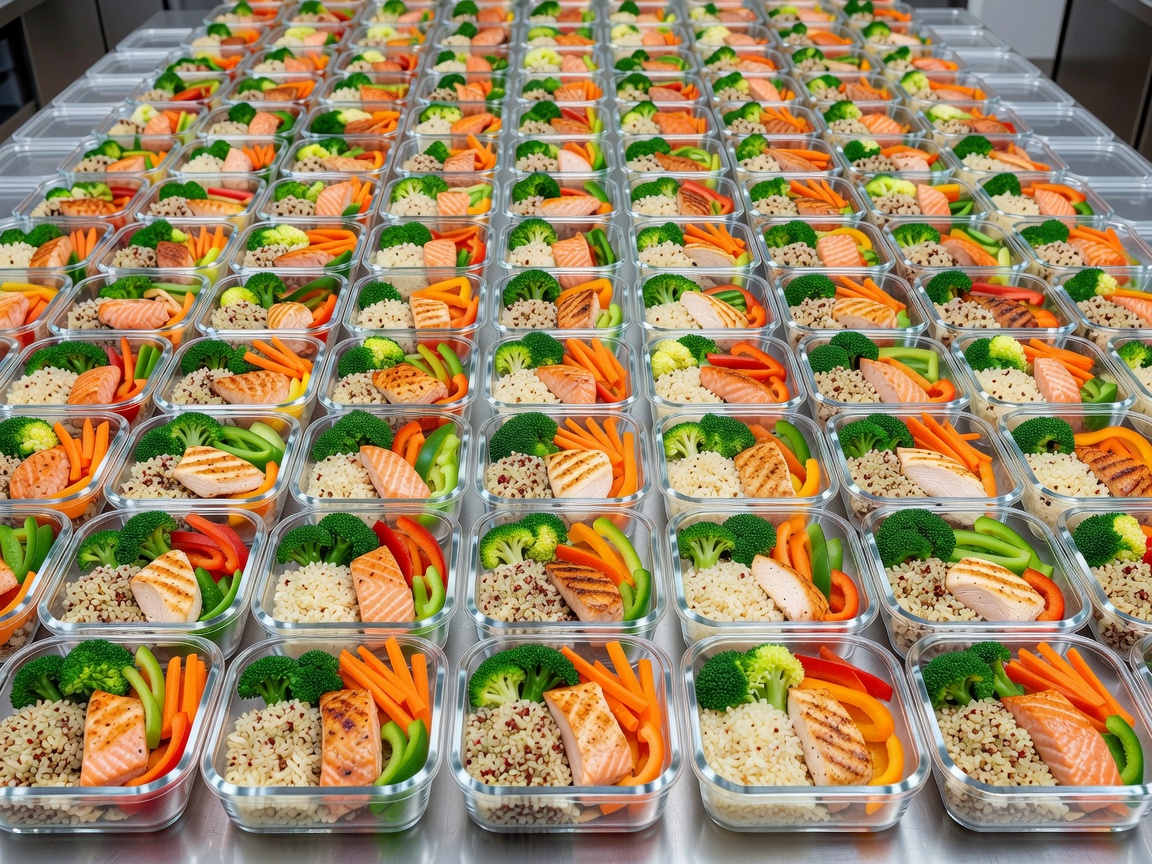
The term "meal prep" invokes images of identical plastic containers stacked with chicken, rice, and broccoli. While effective for some, this rigid approach often leads to palate fatigue and eventual non-compliance. There are multiple, distinct methodologies that can be adapted to fit different lifestyles and culinary preferences.
- Complete Batch Cooking: Cooking fully assembled meals, portioned into individual containers. This requires the highest upfront time investment but provides maximum convenience during the week. Ideal for lunches at the office.
- Ingredient Prepping: Cooking large quantities of base macronutrients—such as a tray of roasted vegetables, a batch of quinoa, and a dozen grilled chicken thighs—and storing them separately. This allows for modular assembly of varied meals in minutes, mitigating palate fatigue.
- Pre-Portioning (Mise en place): Chopping vegetables, marinating meats, and organizing spice blends in advance without actually cooking them. The cooking is done fresh each evening, but the preparatory labor is already complete.
Safe Food Storage and Rotation
Prepping food multiple days in advance demands a strict adherence to food safety protocols to mitigate the risk of bacterial proliferation. The "Danger Zone" for bacterial growth is between 4°C and 60°C (40°F and 140°F). Foods must be cooled rapidly and stored correctly.
Never leave cooked food at room temperature for more than two hours. To cool large batches safely, divide them into shallow containers before refrigerating. Refrigerators should be maintained at 4°C or below.
| Food Category | Refrigerator Lifespan | Freezer Lifespan |
|---|---|---|
| Cooked Poultry & Meat | 3-4 Days | 2-6 Months |
| Cooked Rice & Pasta | 3-4 Days | 1-2 Months |
| Roasted Vegetables | 4-5 Days | Not recommended (texture degrades) |
Equipment and Infrastructure
Efficient meal preparation is vastly accelerated by investing in the right infrastructure. The most critical component is the storage medium itself. High-quality borosilicate glass containers are infinitely superior to plastic; they do not warp, they do not leach endocrine-disrupting chemicals when heated, and they are inherently non-porous, meaning they won't absorb lingering odors from heavily spiced foods.
In the kitchen, leverage asynchronous cooking methods. The stovetop requires active attention, while the oven, slow cooker, and rice cooker function passively. An optimized two-hour meal prep session might involve a large cut of meat in the slow cooker, two trays of vegetables roasting in the oven, and a batch of grains in the rice cooker, leaving the cook free to utilize the stovetop for quick sautés or sauces. By parallelizing the workflow, massive volumes of food can be secured with minimal active labor.